Every tear, hole, and fray tells a story. The Stitch Compass organizes repair techniques by the type of damage they address, each method chosen for its historical context and material compatibility.
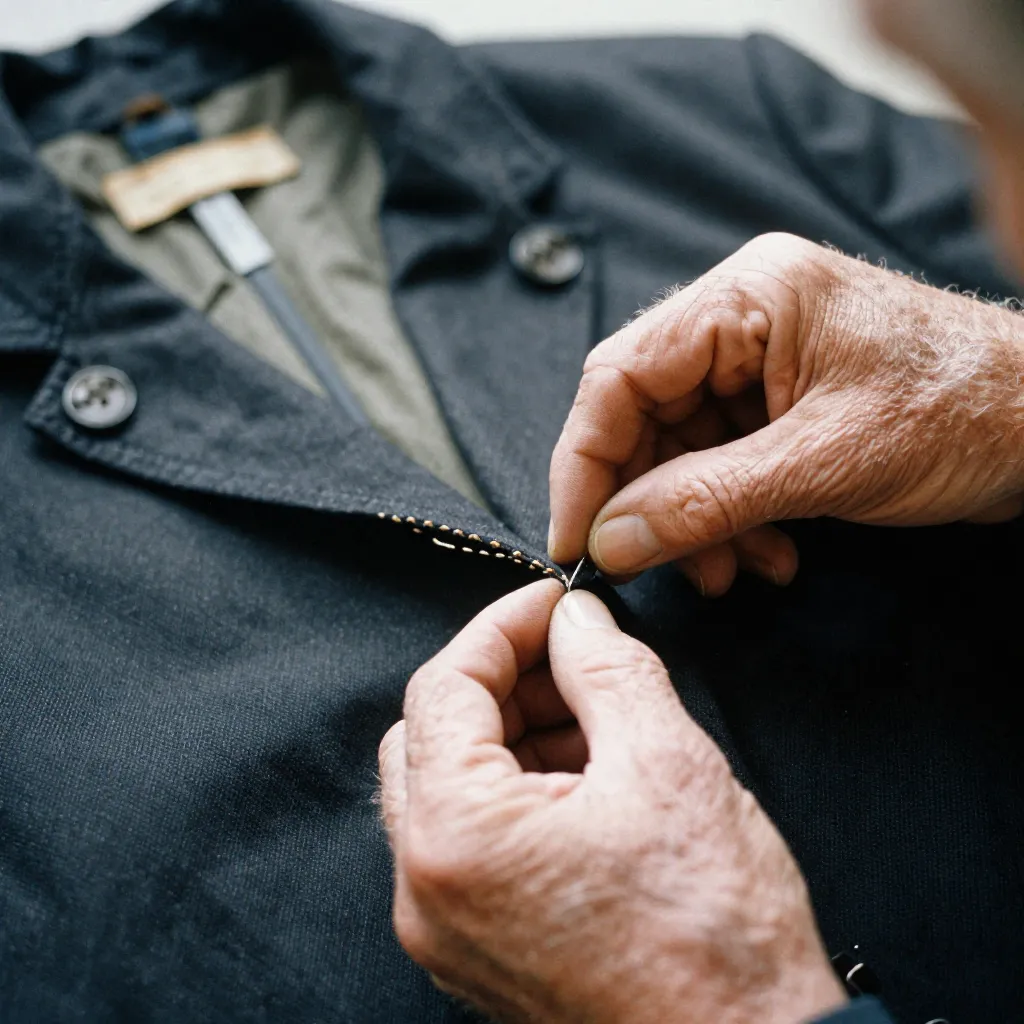
The Moth Hole
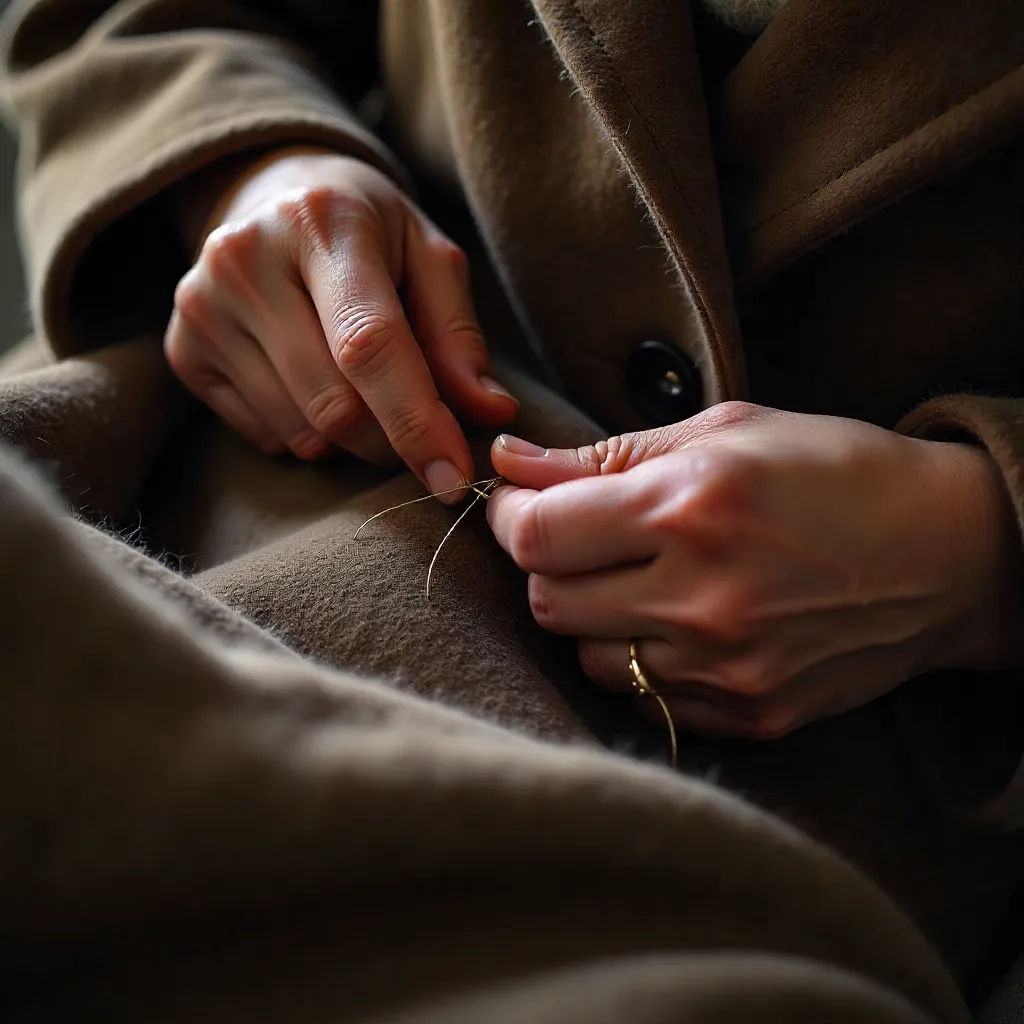
Darning Technique
The traditional darning method creates an invisible repair by weaving new threads into the existing fabric structure. This technique was favored by households maintaining wool garments, where matching the original weave pattern was essential.
History of Use
Darning became essential in the 19th century when wool garments were valuable investments. Families developed intricate patterns that became signatures of their household's repair work. The technique respects the original fabric's integrity while preventing further unraveling.
The L-Shaped Tear

Whipstitch Method
Sailors developed the whipstitch for repairing canvas and heavy fabrics that faced constant stress. The diagonal stitch pattern distributes tension evenly, preventing the tear from propagating further along the fabric grain.
History of Use
Maritime workers needed repairs that could withstand salt, wind, and constant movement. The whipstitch became their standard because it created a flexible seam that moved with the fabric rather than against it. This method works particularly well on workwear and outer garments.
The Frayed Cuff
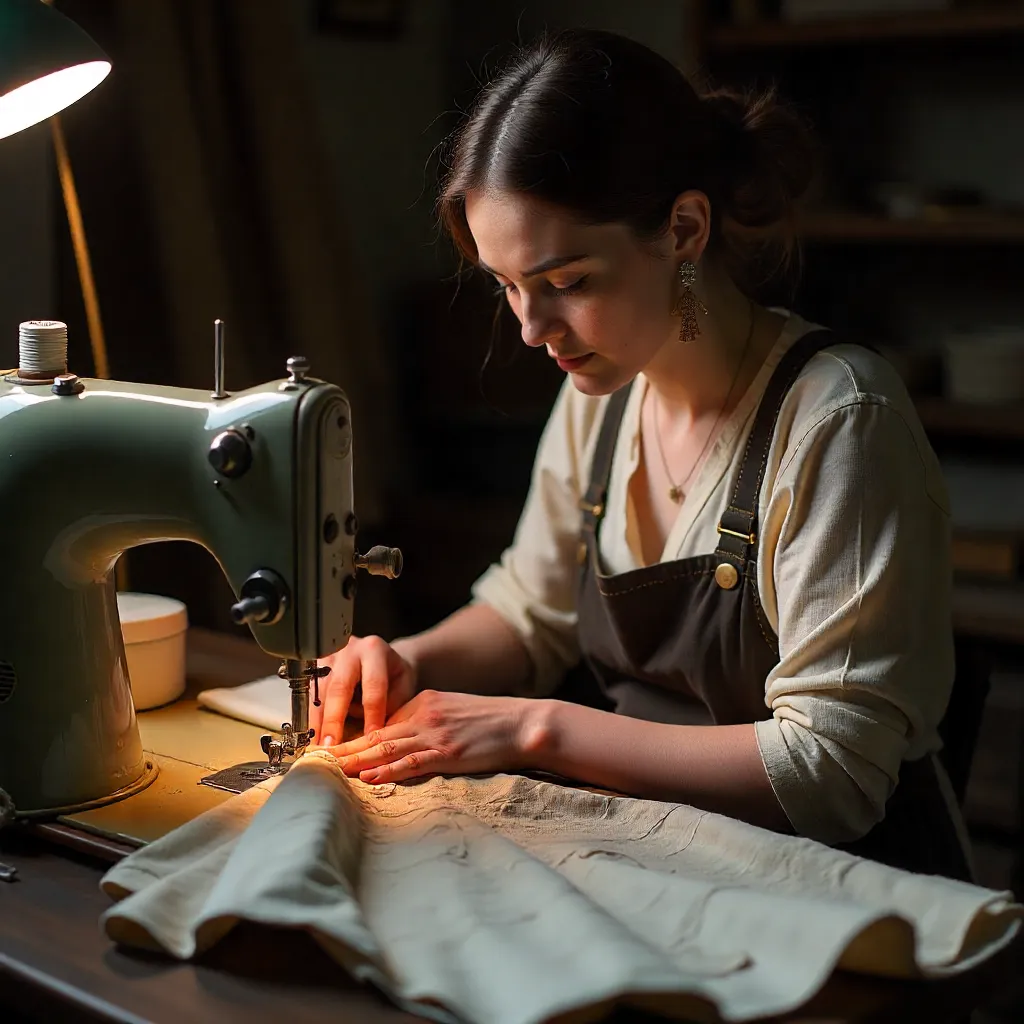
Pad Stitch Approach
Tailors developed the pad stitch specifically for areas of high wear like cuffs, collars, and hems. This technique reinforces the edge while maintaining the garment's original drape and appearance.
History of Use
Professional tailors used pad stitching to extend the life of expensive garments for their clients. The method creates an internal reinforcement layer that prevents visible wear while preserving the outer fabric's finish. This approach reflects the tailor's philosophy of invisible craftsmanship.
Choosing Your Technique
Selecting the right repair method depends on three factors: the type of damage, the fabric's original construction, and the garment's intended use. A delicate silk blouse requires different techniques than a workwear jacket, even when facing similar damage.
Understanding the historical context of each technique helps you choose methods that honor the original garment's purpose and craftsmanship.