The Patina Journal showcases garments that have been mended over decades, revealing how repairs themselves age and become part of the garment's history. We frame wear and tear not as damage, but as evidence of use—the architecture of a life lived.
Layered History
Generations of Care
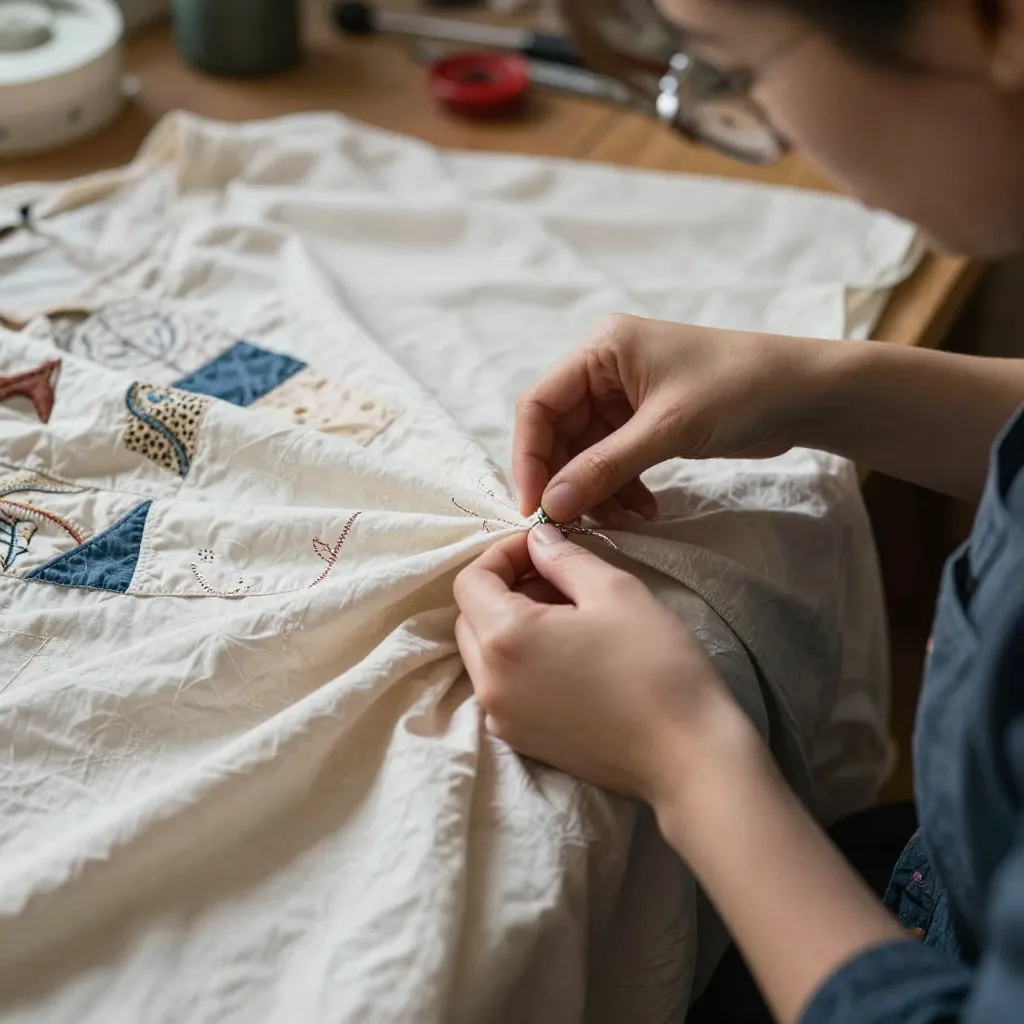
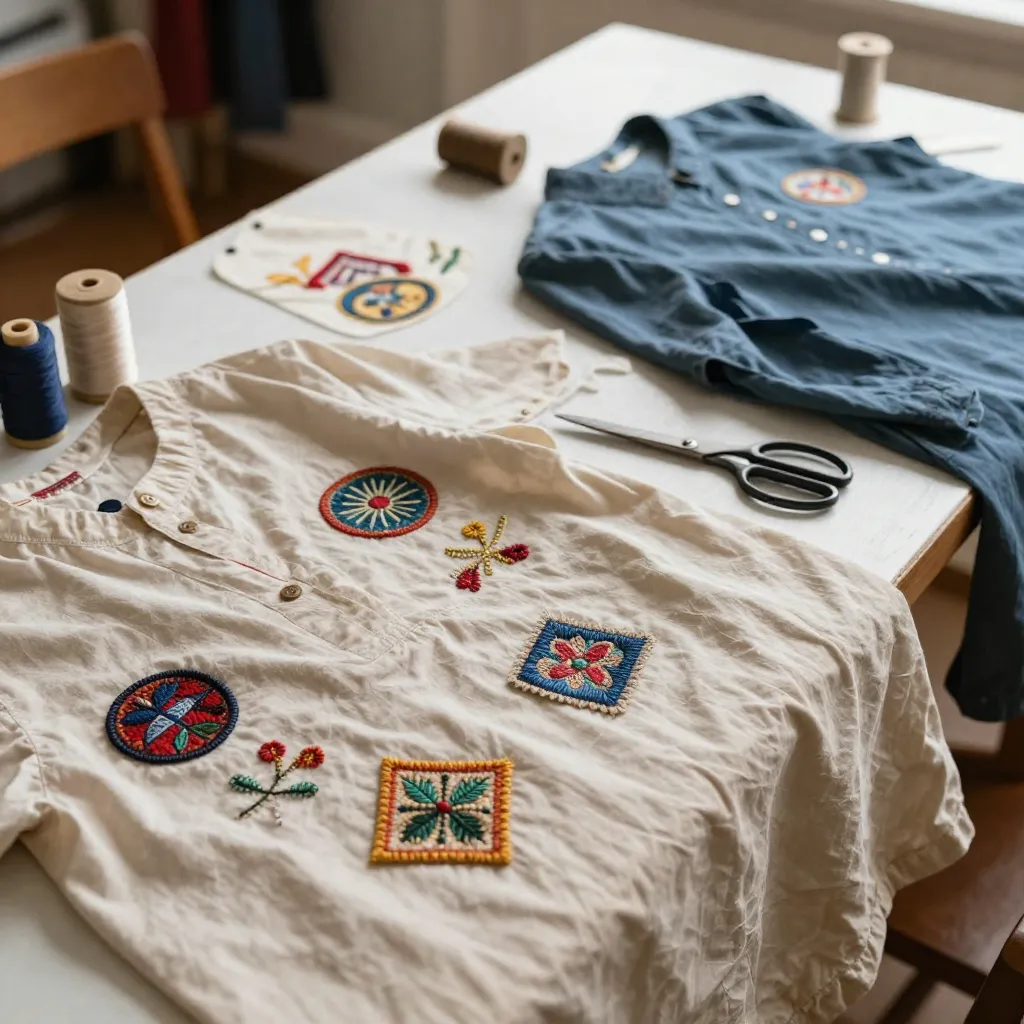
Some garments show repairs from multiple generations. A great-grandmother's darning, a grandmother's reinforcement, a mother's patch—each layer tells a story of care and continuity. These repairs have themselves aged, creating a visible timeline of the garment's journey.
The Beauty of Age
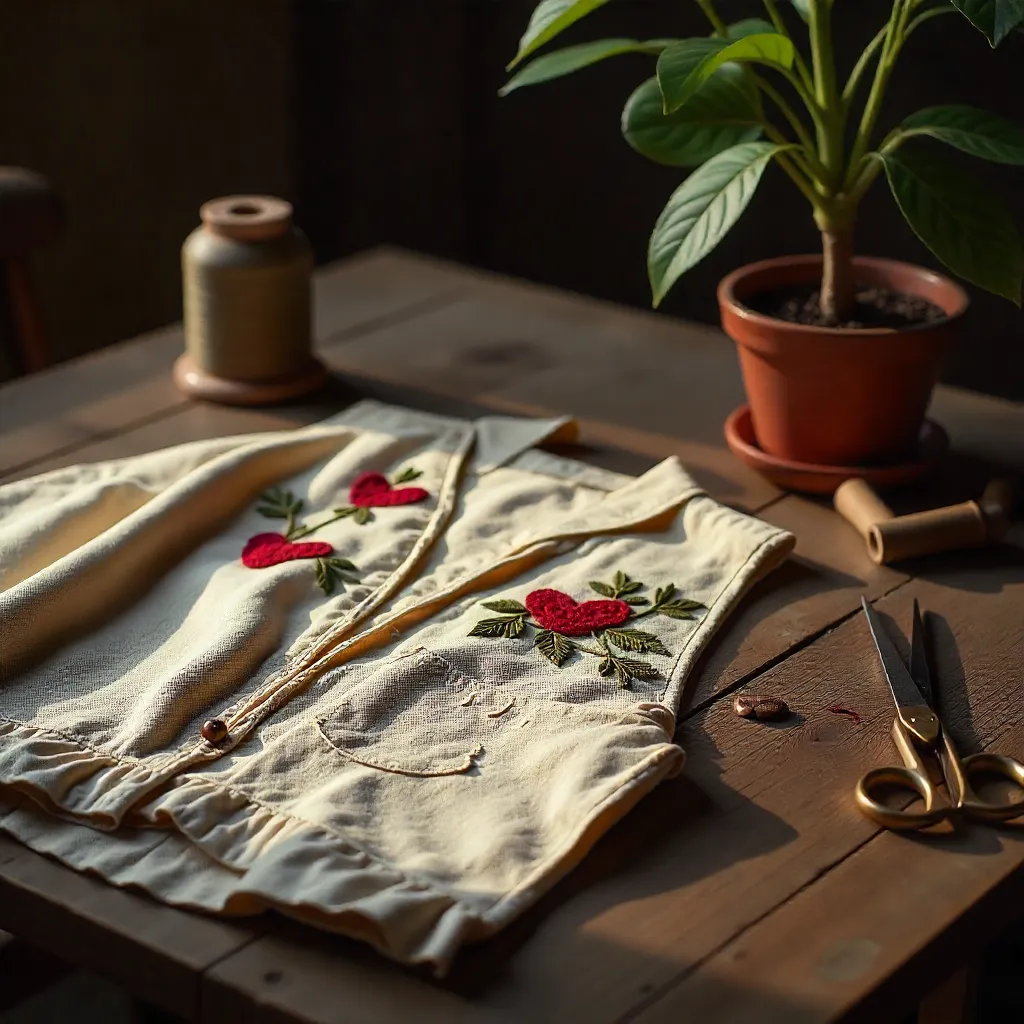
Repairs that have been in place for decades develop their own patina. Threads fade and soften, patches integrate with the original fabric, and the distinction between original and repair becomes less visible. This integration represents the highest form of craftsmanship.
Architecture of Use
Workwear Stories
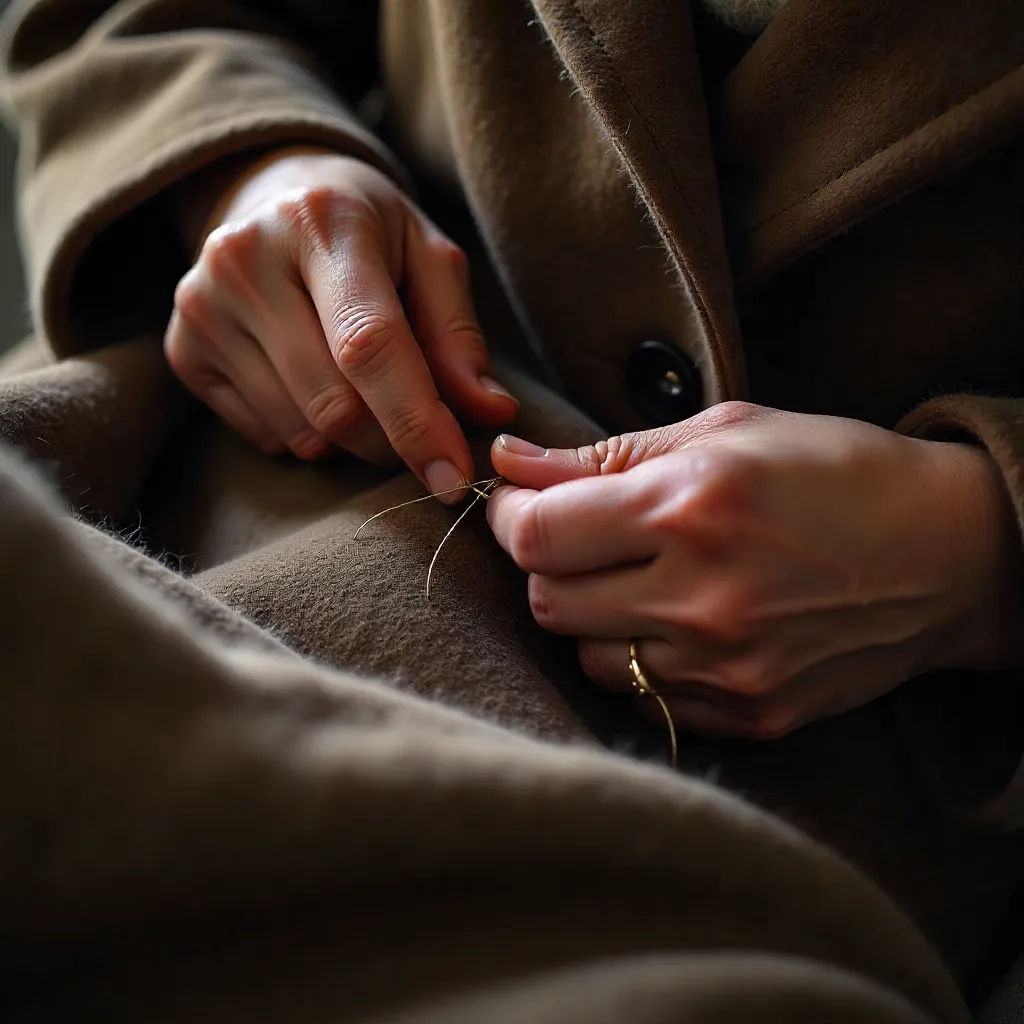
Workwear garments reveal patterns of use through their repairs. Elbows, knees, and cuffs show concentrated wear that tells us how the garment was used. Repairs in these areas demonstrate practical solutions to real-world needs, creating a map of the wearer's activities.
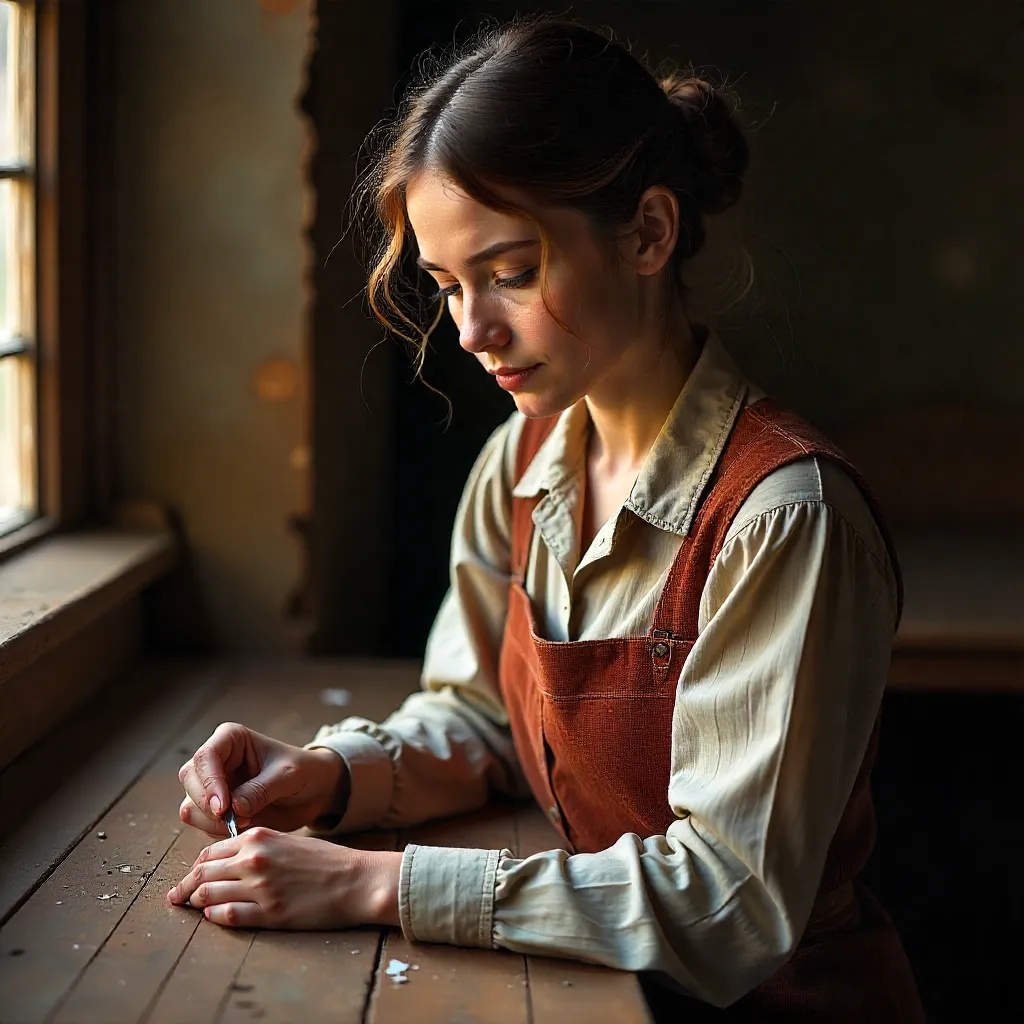
Delicate Preservation
Fine garments require different approaches. Delicate silks and vintage linens show repairs that prioritize invisibility over durability. These repairs demonstrate the value placed on maintaining appearance, revealing social contexts where presentation mattered deeply.
Repairs as Documentation
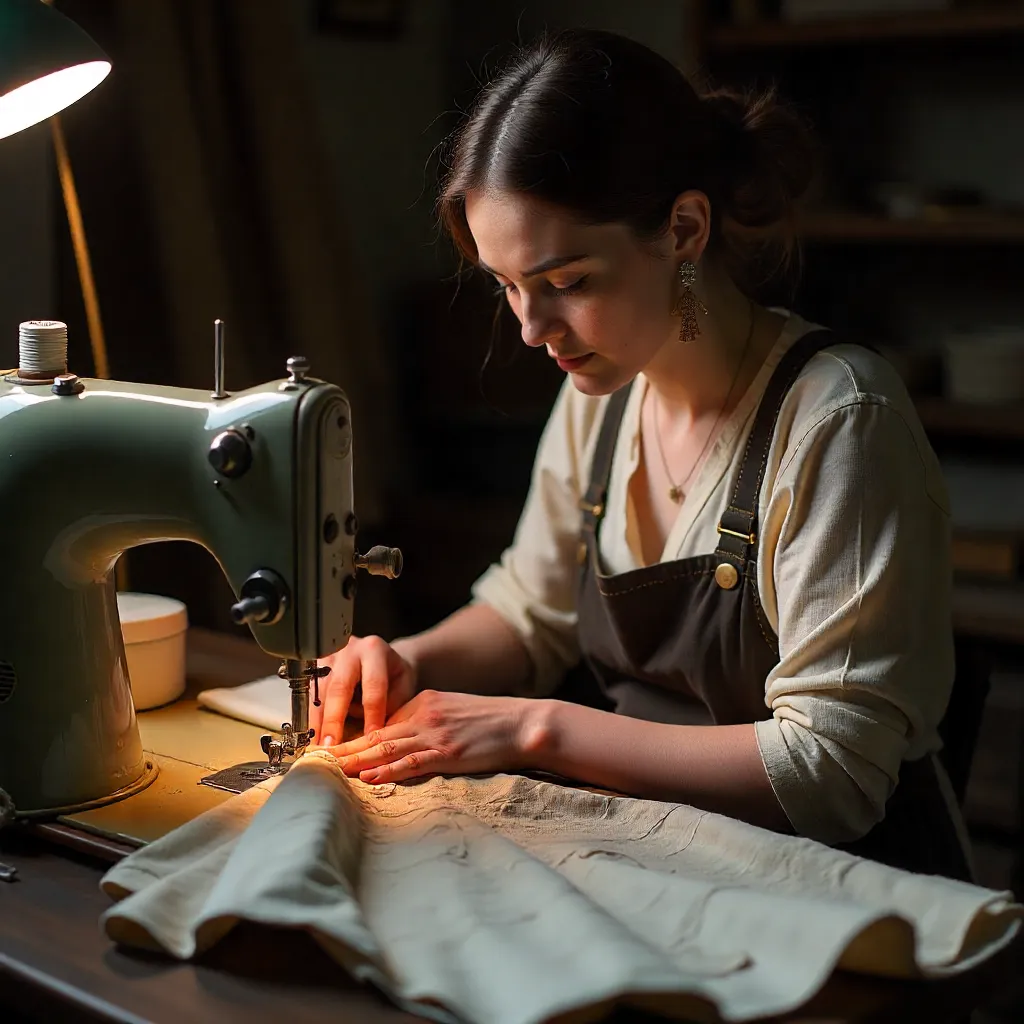
Technique Evolution
Examining repairs across decades shows how techniques evolved. Early repairs might use hand-spun threads, while later ones incorporate machine-made materials. The progression reveals changes in available resources and shifting priorities in repair work.
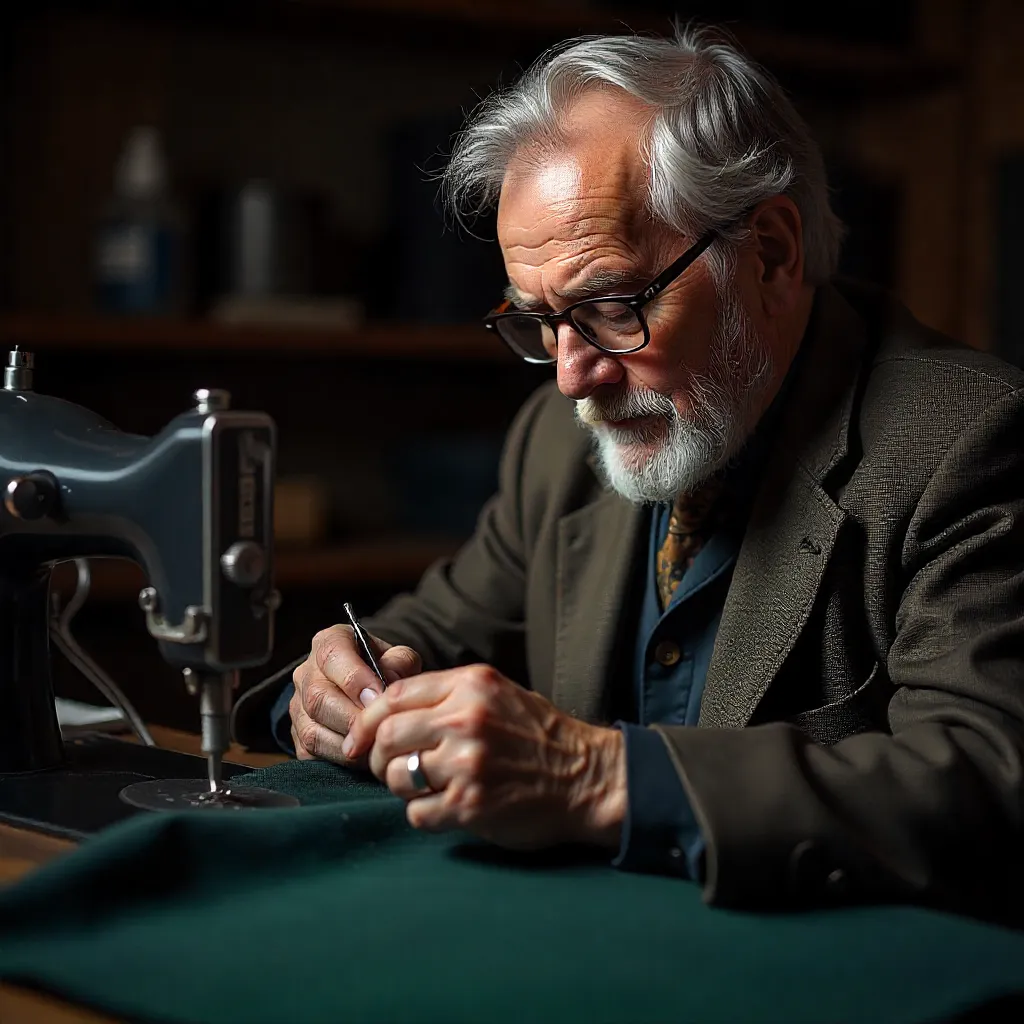
Personal Signatures
Each repairer leaves their mark. Some prefer visible, decorative repairs that celebrate the mending process. Others aim for invisibility, treating repairs as necessary but not meant to be noticed. Both approaches are valid, and both contribute to the garment's layered history.
Embracing the Journey
These heirloom repairs teach us that garments are not static objects but evolving documents. Each repair adds a chapter to the story, and the way those repairs age becomes part of the narrative. We learn to see wear not as failure, but as evidence of value and use.
When you repair a vintage garment, you're not just fixing damage—you're adding your chapter to its ongoing story. Your stitches will age alongside the original fabric, becoming part of the garment's architecture of use.