Before any repair can begin, you must understand what you're working with. The Fiber Forensics Lab teaches you to observe three key characteristics: the drape, the sheen, and the grain. These observations reveal whether you're handling wool, silk, historical rayon, or another fiber entirely.
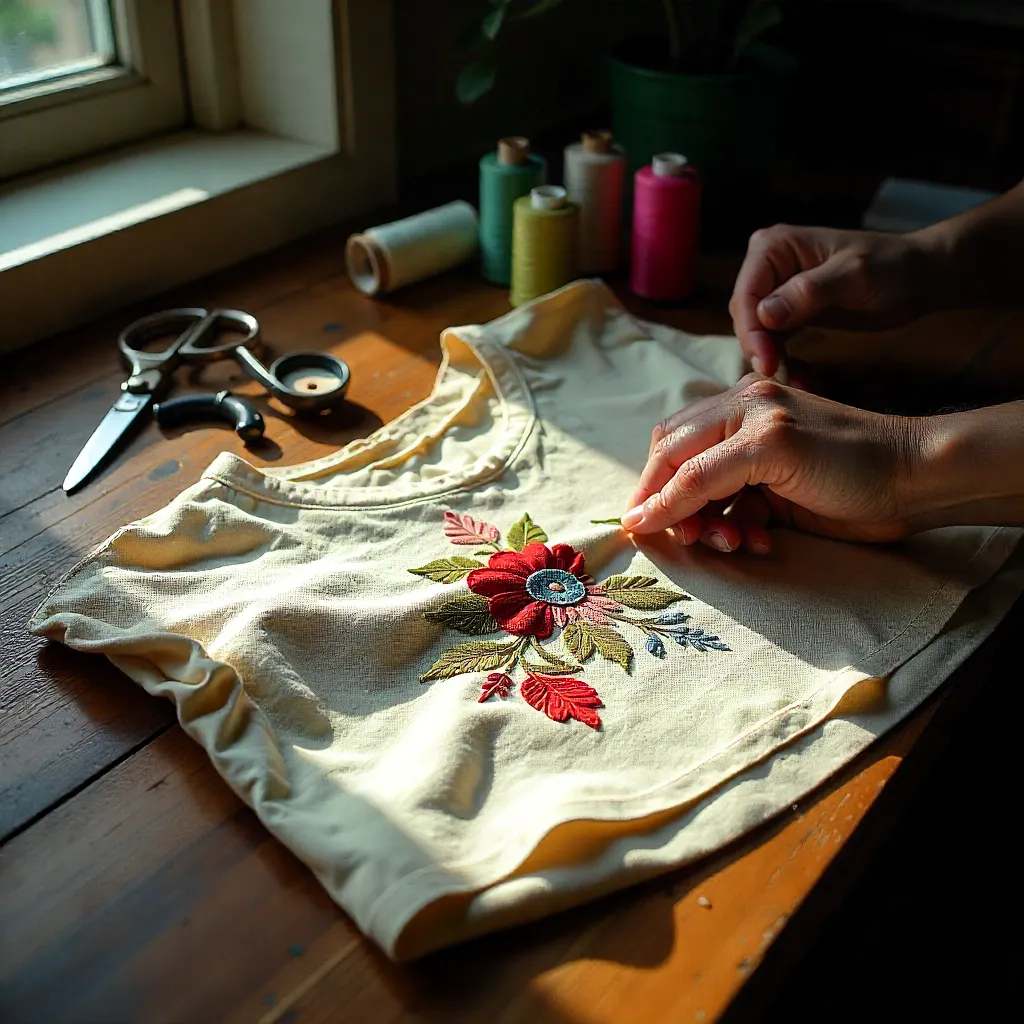
The Drape
Understanding Fabric Flow
How fabric falls reveals its fiber content. Wool drapes with weight and structure, silk flows like liquid, and historical rayon has a distinctive stiffness that softens with age. Hold the fabric and observe how it moves.
Testing Methods
Drape a section of fabric over your hand and watch how it falls. Natural fibers like wool and silk create smooth, predictable curves. Synthetic fibers from earlier eras often have a more angular drape pattern. The way fabric responds to gravity tells its story.
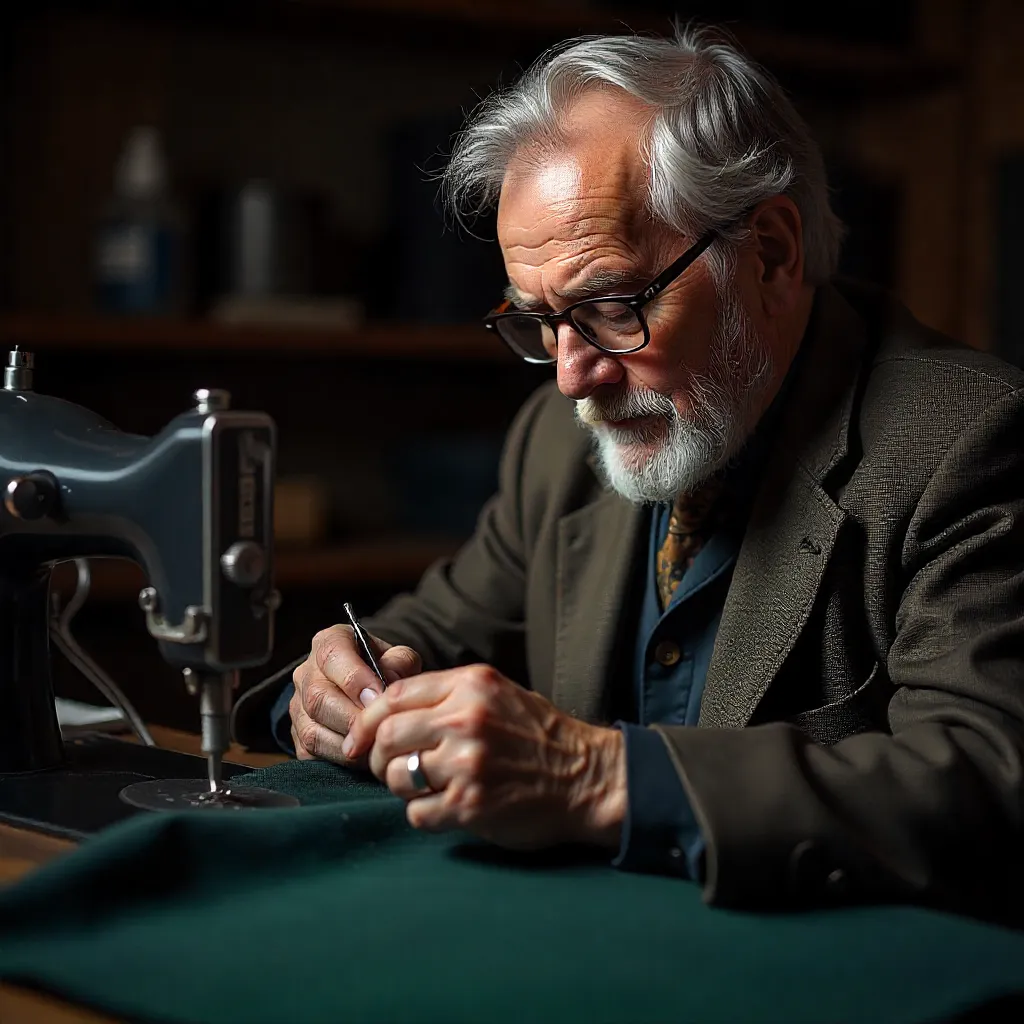
The Sheen
Surface Reflection
Each fiber type reflects light differently. Silk has a distinctive pearlescent quality, wool absorbs light with a matte finish, and historical rayon often shows an artificial brightness that distinguishes it from natural fibers.
Light Observation
Examine the fabric under natural light, moving it to see how the surface catches and reflects illumination. The sheen pattern helps identify not just the fiber, but often the era of production, as manufacturing techniques changed over decades.
The Grain
Weave Patterns
The grain reveals how threads were woven together. Wool garments often use twill or herringbone patterns that create diagonal lines. Silk frequently appears in satin weaves with long floats. Historical rayon mimics these patterns but with telltale regularity.
Thread Examination
Use magnification to examine individual threads. Natural fibers show slight irregularities that indicate hand-spinning or early machine production. Synthetic fibers from specific eras have characteristic uniform thickness and twist patterns that help date the fabric.
Matching Repair Materials
Once you've identified the fabric through drape, sheen, and grain, you can select repair materials that match the host fabric perfectly. Using wool thread on a silk garment creates visible tension differences. Matching the original fiber type ensures repairs age consistently with the garment.
Historical rayon requires particular attention, as modern synthetic threads won't match its unique aging characteristics. Understanding these distinctions prevents repairs that stand out rather than blend in.